Pallet Racking: How to Maximise Warehouse Storage Capacity
Read More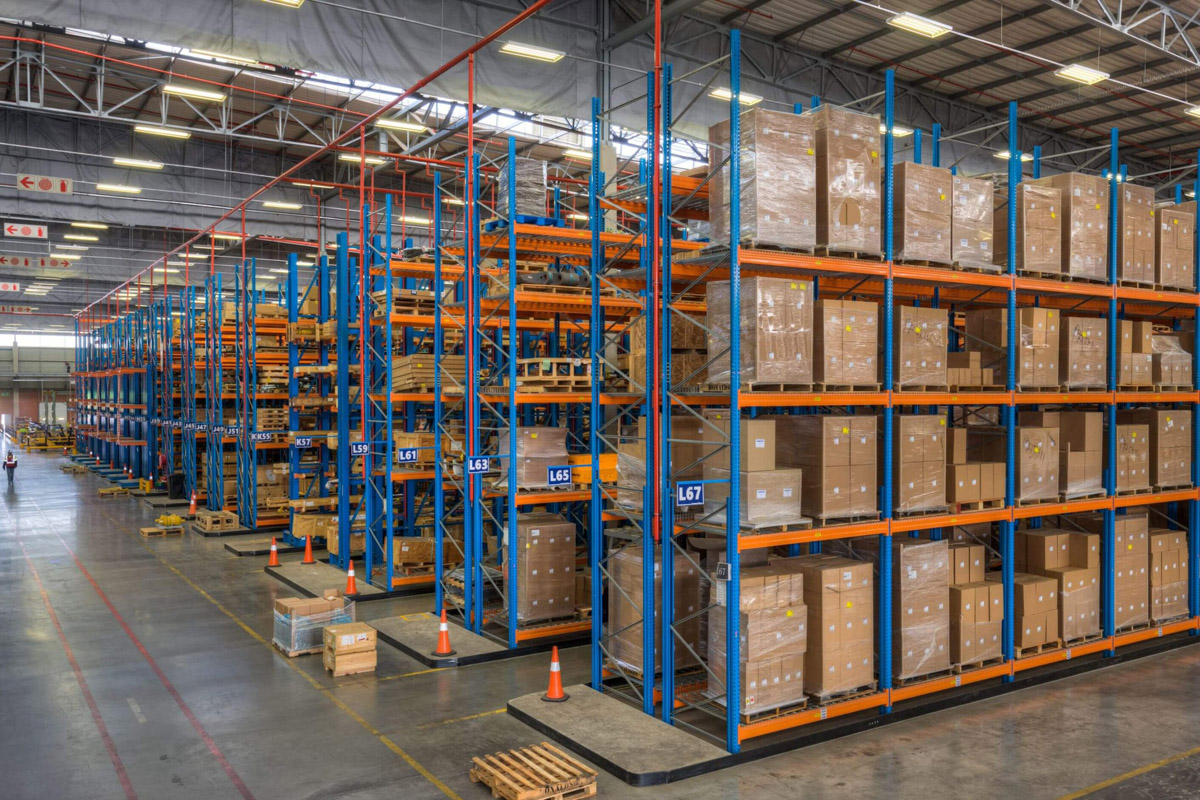
Warehouse space is a valuable operational asset, particularly for businesses managing growing inventory, high pallet volumes and frequent product movement. Pallet racking provides a structured way to use both floor and vertical space, helping businesses increase pallet storage capacity while maintaining organised access to inventory.
However, simply adding more racks does not always create a more efficient warehouse. The racking configuration, aisle layout, forklift requirements and inventory profile all need to work together to achieve the best result.
Pallet racking is a warehouse storage system designed to store palletised goods across multiple levels. A typical system consists of upright frames, horizontal beams and pallet support components that create dedicated storage positions.
Depending on the configuration, pallets can be stored one deep, multiple positions deep or within automated storage lanes. This flexibility allows pallet racking to be adapted to warehouses with different storage densities and operational requirements.
Pallet racking can help businesses make better use of available warehouse space while maintaining practical access to stored goods.
Key benefits include:
The biggest advantage of pallet racking is its ability to utilise warehouse height. Instead of storing all pallets across the floor, products can be positioned on several rack levels.
The actual increase in storage capacity depends on the building height, rack configuration, aisle width, forklift equipment and required access. A professional warehouse layout can identify opportunities to increase pallet positions without unnecessarily reducing operational space.
Different pallet racking systems offer different combinations of storage density and accessibility.
Selective Pallet Racking provides direct access to individual pallets. This makes it suitable for warehouses with many SKUs, frequent picking and regular inventory movement.
It is a practical choice when accessibility and inventory flexibility are more important than achieving the highest possible storage density.
Double Deep Racking places pallets two positions deep, allowing businesses to reduce the number of aisles and increase storage density.
It is particularly suitable for warehouses with multiple pallets of the same product and operations that can accept reduced direct access.
Drive-In Racking allows forklifts to enter storage lanes, enabling multiple pallets to be stored within each lane.
By reducing the number of access aisles, this system can provide high-density storage for bulk inventory and large quantities of similar products.
Push Back Racking uses inclined rails or carts to store several pallets within each lane. New pallets push previously stored pallets deeper into the lane.
This provides a combination of high storage density and relatively efficient loading and retrieval from the front of the system.
Pallet Flow Racking uses gravity rollers to move pallets through the storage lane. Pallets are loaded from one side and retrieved from the opposite side.
This configuration naturally supports FIFO inventory management and can be particularly useful for food, beverage and other date-sensitive products.
Very Narrow Aisle Racking reduces the space allocated to forklift aisles, allowing more warehouse area to be used for pallet storage.
With appropriate specialised handling equipment, VNA systems can also take advantage of greater warehouse heights.
Shuttle Racking uses automated pallet shuttle technology to move pallets through deep storage lanes. This reduces the need for forklifts to enter the storage structure and can significantly increase storage density.
It is often considered for high-volume warehouses, cold storage and operations looking to introduce greater levels of automation.
One of the most important decisions when selecting pallet racking is determining the right balance between storage density and accessibility.
Selective Racking offers excellent pallet accessibility but generally requires more aisles. High-density systems such as Drive-In, Double Deep and Shuttle Racking can provide more pallet positions but may reduce direct access to individual pallets.
The best system depends on how inventory is stored and moved rather than simply choosing the system with the highest theoretical capacity.
Forklift specifications can have a significant impact on warehouse racking design.
The forklift type determines factors such as:
For example, a VNA warehouse may require specialised equipment to operate safely within narrow aisles, while a conventional Selective Racking layout may accommodate more common forklift configurations.
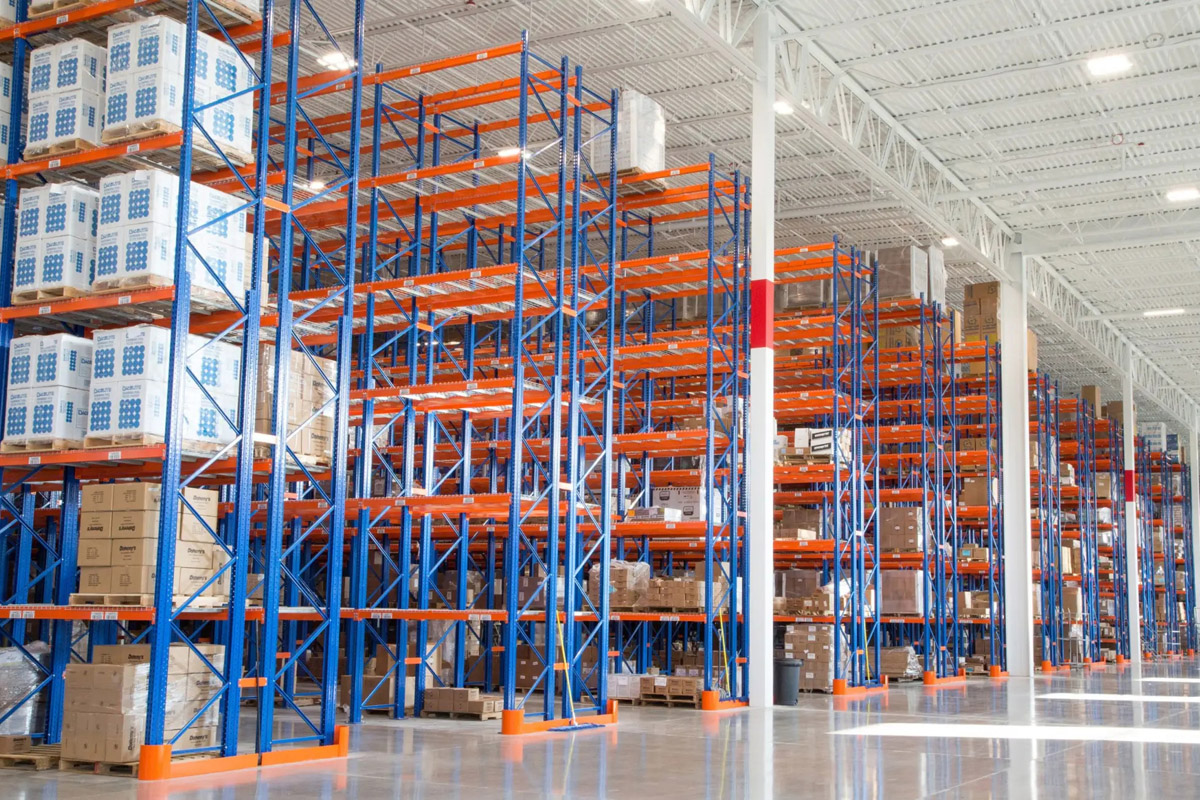
Aisles are essential for warehouse movement, but they also consume valuable floor space.
Reducing aisle width may create additional storage positions, but the aisle must remain suitable for the selected forklift and operational requirements. The goal is not simply to make aisles as narrow as possible, but to establish a practical balance between storage capacity, forklift movement and warehouse productivity.
If your warehouse has significant clear height, a well-designed pallet racking system can make better use of this unused vertical space.
Additional rack levels can increase pallet capacity without increasing the building footprint. However, rack height should be determined according to building conditions, sprinkler requirements, forklift capabilities, pallet dimensions and applicable engineering requirements.
High-density racking may be appropriate when:
For warehouses with hundreds or thousands of different SKUs requiring individual access, Selective Racking may remain a more practical solution.
Pallet racking can be configured for a wide range of industries and applications.
Logistics and 3PL: Flexible systems help manage different customer inventories, pallet sizes and SKU profiles.
Manufacturing: Racking can store raw materials, work-in-progress inventory and finished goods close to production areas.
Retail and E-commerce: Direct pallet access can support reserve inventory and efficient replenishment of picking areas.
Food and Beverage: FIFO-compatible systems can support stock rotation for products with expiry dates.
Cold Storage: High-density systems can help maximise expensive refrigerated warehouse space.
Wholesale Distribution: Racking provides structured storage for bulk inventory and frequent dispatch operations.
Warehouse racking should be designed around actual pallet loads, rack dimensions, forklift operations and site conditions. Components should be correctly assembled, positioned and anchored according to the approved design.
For Australian warehouse projects, applicable Australian Standards and engineering requirements should also be considered. The specific requirements can vary depending on the racking system, building conditions and intended use.
Businesses should seek appropriate technical and engineering advice before installing, modifying or expanding pallet racking.
Warehouse requirements can change as inventory volumes increase and business operations develop. A racking system that works today may need additional capacity in the future.
A scalable layout can allow businesses to add rack bays, introduce additional storage zones or integrate automated technologies later. Planning for future expansion during the initial design stage can reduce disruption and modification costs.

Pallet racking can transform the way a warehouse uses its available space. By combining appropriate rack height, aisle planning, storage density and material handling requirements, businesses can create a more organised and productive storage environment.
The key is to select a system based on how your warehouse actually operates, rather than choosing a racking solution based solely on storage capacity.
Vinatech Australia provides Industrial Warehouse Racking and warehouse shelving solutions for businesses across Australia. Our team can support your project from warehouse assessment and 2D/3D layout design through to racking supply, engineering, professional installation and ongoing support.
Whether you need Selective Pallet Racking, Double Deep Racking, Drive-In Racking, Push Back Racking, Pallet Flow Racking, VNA Racking or Shuttle Racking, Vinatech Australia can help develop a solution tailored to your warehouse layout, inventory requirements and operational workflow.
Vinatech Australia: Industrial Warehouse Racking – Warehouse Shelving Solutions